

Why Some Cars Can’t Use Magnetic Car Signs (And What to Use Instead)
Magnetic Car Signs: Compatibility Insights
Magnetic car signs are a popular choice for businesses looking to advertise on the go, but they are not universally compatible with all vehicles. Understanding why some cars can’t use magnetic signs is crucial for effective marketing. This article will explore the mechanics behind magnetic adhesion, the materials that hinder their effectiveness, and the best alternatives for vehicles that cannot accommodate them. Many vehicle owners face the frustration of magnetic signs not sticking, particularly those with aluminum bodies or those with plastic or fiberglass surfaces. This guide will provide insights into the reasons behind this issue and offer practical solutions. We will cover the science of magnetic signs, alternative signage options, and tips for protecting your vehicle's paint during installation.
Why Don’t Magnetic Car Signs Stick to Cars with Aluminum Bodies?
Magnetic car signs rely on ferrous materials to adhere to vehicle surfaces. Aluminum, being a non-ferrous metal, does not attract magnets, which is why magnetic signs fail to stick to cars with aluminum bodies. Understanding the material composition of your vehicle is essential for selecting the right signage. This incompatibility can lead to wasted time and resources for businesses that rely on magnetic signs for advertising.
How Do Magnetic Signs Work on Vehicle Surfaces?
Magnetic signs work through the principle of magnetic adhesion, where the magnetic field interacts with ferrous materials. When a magnetic sign is placed on a metal surface, the magnetic forces create a bond that holds the sign in place. However, the effectiveness of this bond can be influenced by surface conditions, such as cleanliness, texture, and flatness. For vehicles with aluminum bodies, the absence of ferrous material means that magnetic signs cannot establish this bond, leading to their failure to adhere.
What Vehicle Materials Are Incompatible with Magnetic Signs?
Several vehicle materials are incompatible with magnetic signs, primarily non-ferrous metals and certain plastics. Common examples include:
- Aluminum: As mentioned, aluminum does not attract magnets, making it unsuitable for magnetic signage.
- Plastic: Many modern vehicles incorporate plastic components, which also lack the magnetic properties needed for adhesion.
- Fiberglass: Similar to plastic, fiberglass does not provide a magnetic surface for signs to stick.
Understanding these materials is crucial for vehicle owners and businesses to avoid the pitfalls of using magnetic signs on incompatible surfaces.
What Are the Best Alternative Car Sign Options for Non-Magnetic Surfaces?
For vehicles that cannot accommodate magnetic signs, several effective alternatives exist. These options can provide similar visibility and branding opportunities without the limitations of magnetic adhesion.
How Do Adhesive Car Decals Compare to Magnetic Signs?
Adhesive car decals are a primary alternative to magnetic signs. They offer several advantages, including:
- Adhesive Strength: Decals can provide a strong bond to various surfaces, including aluminum and plastic.
- Durability: High-quality adhesive decals are designed to withstand weather conditions, ensuring longevity.
- Ease of Application: Unlike magnetic signs, which require a flat metal surface, decals can be applied to any clean surface.
However, it is essential to consider the potential for residue left on the vehicle's surface upon removal, which can be mitigated by using high-quality materials.
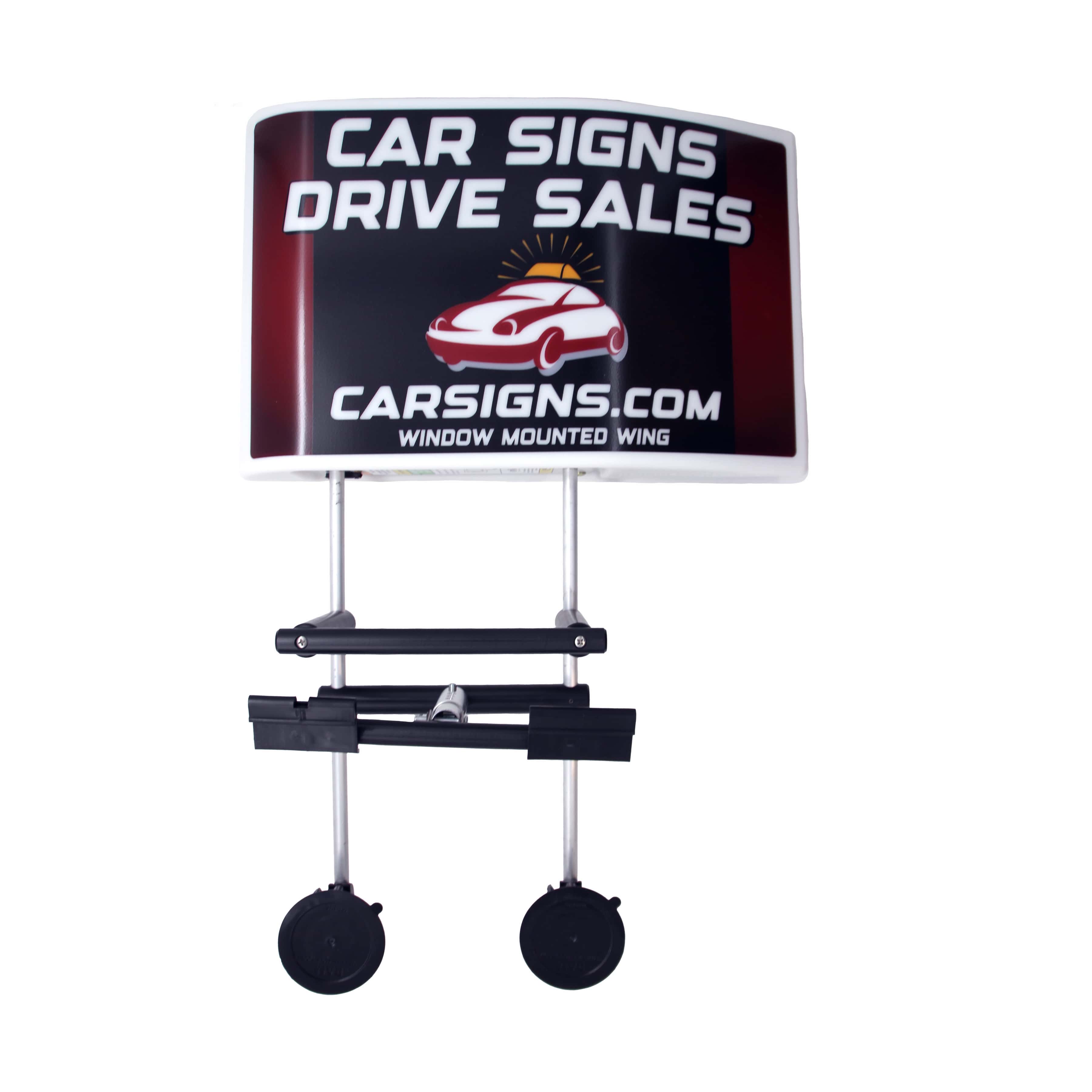
Are Suction Cups and Static Cling Effective Alternatives?
Suction cups and static cling signs are also viable alternatives for non-magnetic surfaces. Their effectiveness depends on specific conditions:
- Suction Cups: These work best on smooth, non-porous surfaces such as glass or smooth painted surfaces. They can be easily applied and removed but may lose grip in extreme weather conditions or on rough surfaces.
- Static Cling: This option adheres to glass surfaces without adhesive, making it easy to reposition. However, it may not be suitable for all vehicle surfaces and can be less durable than adhesive decals.
Both options provide flexibility for vehicle owners looking to advertise without the limitations of magnetic signs.
How Can You Protect Your Vehicle’s Paint When Using Car Signs?
When using any type of car sign, protecting your vehicle's paint is paramount. Different signage types can pose risks to the paint, especially if not installed or removed correctly.
What Risks Do Magnetic and Adhesive Signs Pose to Vehicle Paint?
Magnetic and adhesive signs can potentially damage vehicle paint in several ways:
- Scratches: Improper installation or removal can lead to scratches on the vehicle's surface.
- Chemical Reactions: Some adhesives may react with the paint, causing discoloration or damage over time.
To mitigate these risks, it is essential to follow best practices for installation and removal.
What Are the Best Practices for Safe Sign Installation and Removal?
To protect your vehicle's paint during the installation and removal of car signs, consider the following best practices:
- Clean the Surface: Ensure the area where the sign will be applied is clean and free of debris.
- Use Proper Tools: Employ tools designed for safe application and removal, such as plastic scrapers for decals.
- Follow Manufacturer Instructions: Adhere to the guidelines provided by the sign manufacturer for optimal results.
- Avoid Prolonged Exposure: Remove adhesive decals within the recommended time frame to prevent strong adhesion or residue buildup.
By following these practices, vehicle owners can minimize the risk of damage while effectively utilizing car signage.
How to Choose the Right Signage Material for Your Vehicle?
Selecting the appropriate signage material is crucial for ensuring compatibility and effectiveness. Various factors should influence your choice.
Which Vehicle Surface Materials Affect Signage Compatibility?
The surface material of your vehicle plays a significant role in determining which signage options will work best. Common materials include:
- Metal: Ferrous metals are ideal for magnetic signs, while non-ferrous metals like aluminum require alternative options.
- Plastic and Fiberglass: These materials can accommodate adhesive decals but generally do not support magnetic signs.
Understanding your vehicle's material composition will guide you in selecting the right signage.
What Factors Should Influence Your Signage Material Choice?
When choosing signage materials, consider the following factors:
- Durability: Ensure the material can withstand environmental conditions.
- Ease of Application: Choose materials that are easy to apply and remove without damaging the vehicle.
- Cost: Evaluate the cost-effectiveness of different signage options based on your budget.
By weighing these factors, you can make an informed decision that aligns with your advertising needs.
What Are Common Questions About Magnetic Car Signs Not Sticking?
Many vehicle owners encounter issues with magnetic signs not adhering properly. Understanding the common reasons behind this can help in finding solutions.
Why Won’t My Magnetic Sign Stick to My Car?
Several factors can contribute to magnetic signs failing to stick:
- Surface Material: As discussed, non-ferrous materials like aluminum will not hold magnetic signs.
- Surface Condition: Dirt, wax, paint texture, or other contaminants can prevent proper adhesion.
- Curved or Irregular Surfaces: Magnetic signs require a flat surface to make full contact.
- Environmental Factors: Extreme temperatures can affect magnetic strength and adhesion.
Identifying these issues can help vehicle owners troubleshoot and find suitable alternatives.
What Are the Alternatives If Magnetic Signs Don’t Work?
If magnetic signs are not a viable option, consider the following alternatives:
- Adhesive Decals: These can be applied to a variety of surfaces and offer strong adhesion.
- Suction Cups: Ideal for smooth surfaces, these can be repositioned easily.
- Static Cling: A non-adhesive option that works well on glass surfaces.
By exploring these alternatives, vehicle owners can still achieve effective advertising without the limitations of magnetic signs.


0 Comments
Leave a Comment