

Magnetic vs Suction-Cup Car Signs: Which Mounting System Is Safer for Long-Term Use?
Magnetic vs. Suction-Cup Car Signs
Vehicle signage that uses magnets or suction cups offers convenient, removable branding, but the safety and durability of each mounting system vary significantly over extended use. This article explains how magnetic car signs and suction-cup signs work, compares their long-term adhesion and surface compatibility, and provides practical installation and maintenance practices to reduce detachment and paint risk. Readers will learn which mounting system suits different vehicle materials and use cases, how weather and speed affect performance, and what safer alternatives exist when permanence or regulatory compliance is required. The guide uses recent research perspectives and engineering principles—covering magnetic backing, vacuum-seal mechanics, UV and temperature effects, and aerodynamics—to give actionable recommendations for drivers, fleet managers, and marketers. Sections will define each mounting method, list pros and cons, present EAV comparison tables, and finish with step-by-step maintenance and decision guidance so you can choose the safest option for long-term vehicle signage.
What Are Magnetic Car Signs and How Do They Work?
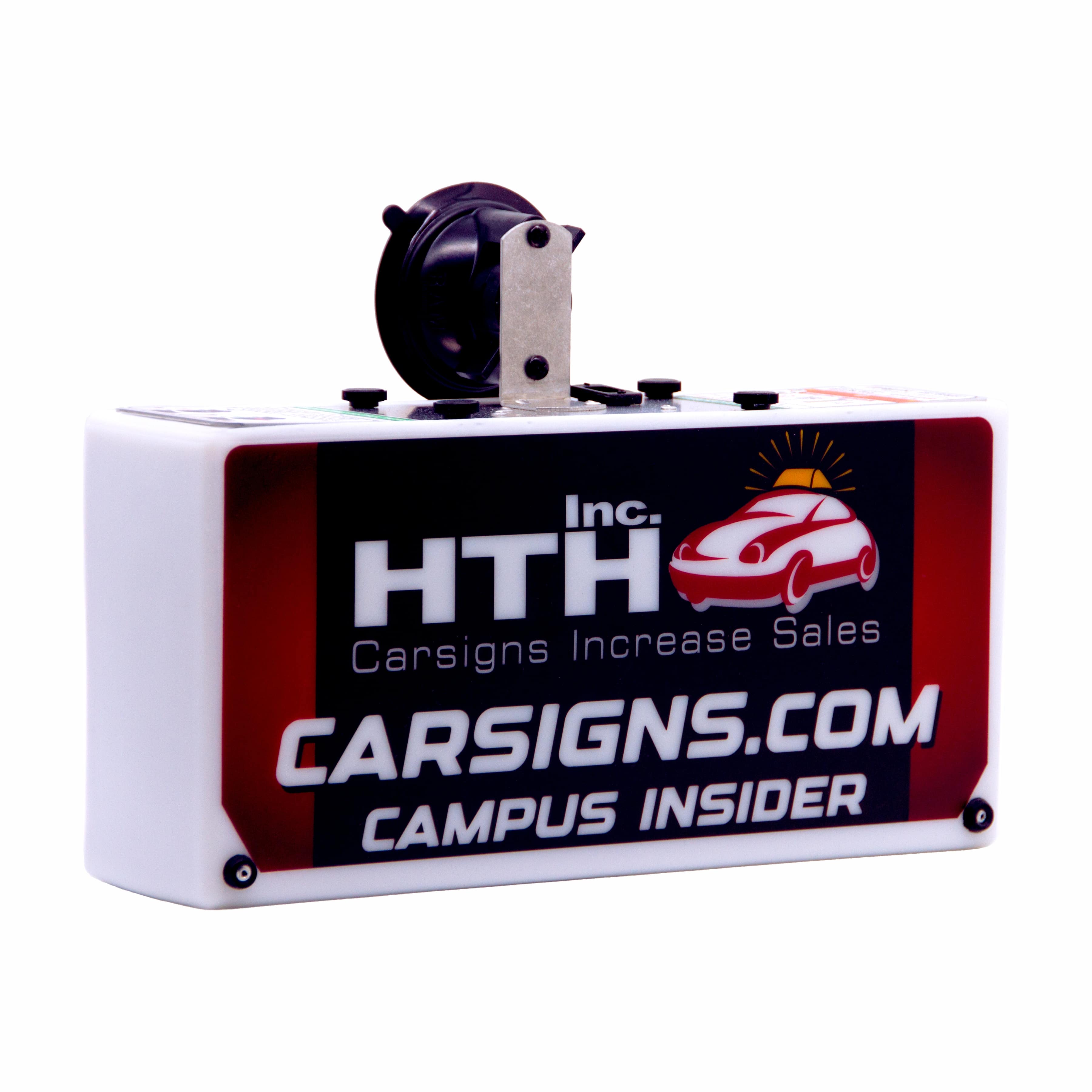
Magnetic car signs are removably mounted graphics that adhere via a magnetic backing to ferrous (iron/steel) vehicle surfaces, producing attraction between the magnet and metal substrate. The mechanism relies on magnetic flux in the backing material and sufficient surface contact area to resist shear and lift forces from wind and vehicle motion, delivering a low-residue, reusable option for temporary advertising. Common constructions pair a printed vinyl or PVC substrate with a flexible ferritic or rare-earth-reinforced magnetic sheet, and higher-quality magnets use greater thickness and protective coatings to improve holding strength. Magnetic signs are best when used on clean, flat steel panels and with moderate sign dimensions to avoid excessive aerodynamic loads. Understanding these mechanics explains both why magnets work reliably on steel and why they fail on non-ferrous bodies, which leads into the advantages and limitations that follow.
What Are the Advantages and Limitations of Magnetic Car Signs?
Magnetic signs offer several practical advantages for temporary vehicle branding: they are reusable, quick to install and remove, and generally leave no adhesive residue on paint. High-quality magnetic backing can provide strong shear and peel resistance on flat steel panels, making them suitable for short-to-medium duration campaigns and for users who need frequent repositioning. Limitations arise because magnets require ferrous surfaces—aluminum, composite, and some coated panels are incompatible—and trapped dirt or moisture under the magnet can abrade clearcoat over time if not cleaned regularly. Magnet performance also varies with magnet thickness, backing material, and sign weight; insufficient magnetic flux or a heavy, wind-catching sign increases detachment risk at highway speeds, so sign sizing and inspection cadence are key to reducing hazards.
How Do Magnetic Car Signs Affect Vehicle Paint and Safety?
Magnetic signs can be paint-safe when properly used, but damage usually stems from mechanical abrasion or prolonged moisture entrapment rather than magnetic attraction itself. Fine particles of grit lodged between the magnet and paint create micro-scratches when the vehicle moves, and long-term exposure to moisture trapped at the interface can discolor or weaken clearcoat adhesion in rare cases. To protect paint, use felt-backed magnets or add a thin protective layer, clean both the sign backing and vehicle surface before each application, and remove and re-seat magnets periodically to inspect for debris. Safety implications extend beyond paint: a partially detached magnet at speed can become an aerodynamic hazard, so implement a regular inspection routine and avoid large signs on panels subject to curvature or strong airflow.
What Are Suction-Cup Car Signs and How Do They Function?
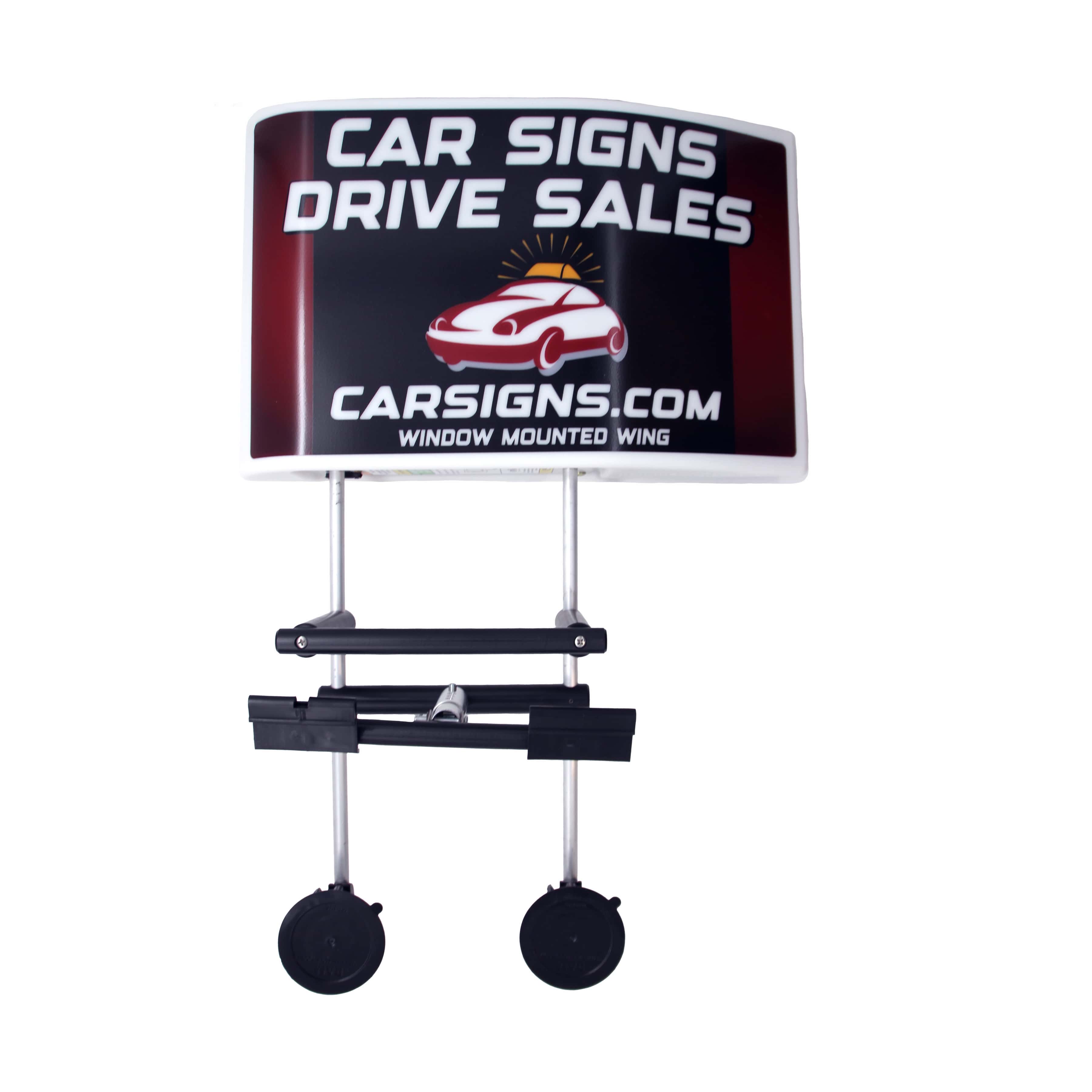
Suction-cup car signs attach using one or more flexible cups that create a partial vacuum between the cup lip and a smooth, non-porous surface, securing the sign via atmospheric pressure and material elasticity. The mechanism requires an uninterrupted seal and a pliable lip material (commonly rubber, TPU, or elastomer blends) that conforms to the mounting surface and resists air ingress; some designs add valves or double chambers to enhance retention. Suction mounting works on glass, smooth plastics, and painted non-porous panels, but is vulnerable to leaks caused by surface contamination, temperature-driven material hardening or softening, and UV-related aging of the cup lip. These properties explain why suction-cup signs are popular for window attachments and interior displays but need careful maintenance and seasonal removal for reliable long-term use outdoors.
What Are the Benefits and Drawbacks of Suction-Cup Car Signs?
Suction-cup signs excel at attaching to non-ferrous surfaces like windows and glossy plastics, enabling placement where magnets do not work and minimizing paint interaction. Benefits include easy repositioning without adhesive residue and compatibility with glass for rear-window or side-window advertising. Drawbacks include sensitivity to temperature extremes—heat softens cups and reduces vacuum pressure, cold stiffens the lip and prevents sealing—and to surface dirt, oils, or micro-roughness that prevent an airtight interface. Design quality matters: thicker, multi-chamber cups with integrated valves and higher-grade elastomers prolong useful life, but even premium cups require periodic re-seating and replacement after UV-induced embrittlement to avoid sudden detachment.
How Do Environmental Factors Impact Suction-Cup Sign Durability and Safety?
Environmental exposure degrades suction-cup performance through UV radiation, temperature cycling, and moisture or grime accumulation that compromise the lip seal and material elasticity. High heat can soften the suction material and allow gradual slippage or leak paths, while freezing temperatures reduce elasticity and can cause brittle cracking; repeated freeze-thaw cycles accelerate failure. Surface contamination—road grime, waxes, or oily residues—prevents a full vacuum, so cleaning and degreasing are essential before installation. For safety, re-seat cups daily or weekly under heavy outdoor use and plan seasonal removal in extreme climates to prevent sudden loss of adhesion that could release the sign while driving.
How Do Magnetic and Suction-Cup Car Signs Compare in Safety and Durability?
Direct comparison shows magnets and suction cups excel under different conditions: magnets provide robust adhesion on ferrous steel with low maintenance when used on suitable panels, while suction cups allow mounting on glass and non-ferrous areas but require more frequent inspection and are more sensitive to environmental degradation. Key deciding factors include surface compatibility, the sign’s exposure to aerodynamic lift at speed, and local climate extremes that can reduce either magnet flux or suction seal integrity. A concise side-by-side overview helps clarify recommended durations and paint risk so operators can choose the safest mounting system for their vehicle and use case.
| Mounting Method | Characteristic | Typical Value |
|---|---|---|
| Magnetic backing | Surface compatibility | Strong on ferrous steel; ineffective on aluminum/composites |
| Suction cup | Surface compatibility | Best on smooth glass and non-porous plastics |
| Magnetic backing | Weather resistance | Moderate; unaffected by UV but sensitive to trapped moisture/grit |
| Suction cup | Weather resistance | Variable; UV and temperature cycles reduce lifespan |
| Magnetic backing | Long-term adhesion | Stable if kept clean; declines with curvature and heavy signs |
| Suction cup | Long-term adhesion | Requires frequent re-seating; risk of sudden failure in extremes |
What Are the Key Differences in Long-Term Adhesion and Surface Compatibility?
Over months and years, magnetic adhesion remains reliable on flat steel but fails entirely on non-ferrous substrates like aluminum and many composites, which makes material compatibility the primary constraint. Suction cups retain adhesion on glass and very smooth plastics but lose effectiveness when UV exposure hardens the lip or when the surface texture prevents an airtight seal. Sign size and weight magnify these effects: larger or deep-profile signs present greater aerodynamic lift and leverage, accelerating detachment for both systems. For fleets or long-term campaigns, choose mounting methods matching the vehicle’s body material and plan scheduled inspections based on sign dimensions and expected exposure.
How Do Weather, Vehicle Speed, and Surface Type Influence Mounting Performance?
Aerodynamic forces scale with vehicle speed and the sign’s shape, producing lift and shear that test the attachment system: a small square sign may be secure at city speeds but can peel at highway speeds if magnetic flux or suction vacuum is marginal. Rain and moisture reduce suction effectiveness by creating leakage paths and can trap debris under magnets; salt spray and road grime increase abrasion risk. Temperature swings change material properties—elasticity of suction lips or magnetic backing adhesives—so seasonal guidelines are essential: avoid long unattended suction use in extreme heat or cold, and inspect magnets more frequently in dusty or salted-road environments. Understanding the physics of airflow and pressure differentials helps predict when additional fastening or a different mounting method is warranted.
What Are the Best Practices for Installing and Maintaining Car Signs?
Proper installation and a disciplined maintenance schedule significantly reduce the safety risks of both magnetic and suction-cup signs by preventing debris entrapment, material fatigue, and unnoticed failures. Best practices begin with surface prep—cleaning and degreasing—follow with correct seating technique, and continue with a planned inspection cadence tailored to exposure and sign size.
Maintenance tasks and frequency help prevent paint damage and sudden detachment.
| Mounting Type | Maintenance Task | Frequency / Notes |
|---|---|---|
| Magnetic sign | Clean surface and magnet backing | Before every installation; lift and clean underneath weekly for outdoor use |
| Magnetic sign | Inspect edges and backing for corrosion | Monthly or after heavy weather exposure |
| Suction cup | Clean surface and cup lip; re-seat cup | Before installation and daily/weekly depending on use |
| Suction cup | Replace cups showing cracking | At first sign of UV cracking or reduced elasticity |
| Alternatives (decals/wraps) | Professional inspection after installation | After 1 month and annually thereafter |
This table clarifies simple, repeatable actions that optimize safety and longevity for each mounting method. Regularly performing these tasks reduces the primary failure modes—abrasion for magnets and seal loss for suction cups—and supports predictable maintenance planning.
How Should Magnetic Car Signs Be Installed and Maintained?
Install magnetic signs on a clean, flat steel surface by first washing the panel with a mild detergent and drying thoroughly, then wiping both the vehicle surface and magnet backing with isopropyl alcohol to remove oils and wax. Position the sign without sliding to avoid trapping grit, press firmly across the entire area to maximize contact, and verify edges are flush; for larger signs, use multiple magnets or smaller panels to reduce curvature stress. Maintenance includes lifting the magnet to check for debris and moisture weekly for active outdoor use and storing magnets flat to prevent warping when not in use. In high-wind conditions, remove magnetic signs or secure them with additional mechanical fasteners where permitted, and always inspect before highway travel to reduce the risk of in-motion detachment.
What Are the Recommended Installation and Maintenance Tips for Suction-Cup Signs?
For suction-cup signs, start by thoroughly cleaning and degreasing the mounting surface using a non-residue cleaner, then slightly moistening the cup lip only if the manufacturer recommends it to improve initial seating. Press the cup firmly, expel trapped air, and test the seal with a gentle tug; consider using multiple cups spaced to distribute load and reduce stress at any single point. Inspect cups daily in outdoor use or weekly for less-exposed scenarios, and remove and clean both surface and cup periodically to maintain full vacuum potential. Replace cups at the first sign of flattening, discoloration, or cracking, and avoid leaving suction-mounted signs in extreme sun or freezing conditions unattended for long-term displays.
Are There Safer Alternatives to Magnetic and Suction-Cup Car Signs?
When long-term durability, regulatory compliance, or vehicle resale concerns dominate, alternatives such as adhesive decals, vehicle wraps, or permanent mounts provide different safety and longevity tradeoffs that may be preferable. Decals and wraps offer near-permanent adhesion and superior resistance to wind but can present removal risks to paint and usually require professional installation, while bolted or welded permanent mounts deliver the highest mechanical security at the cost of vehicle modification.
Comparing long-term alternatives clarifies tradeoffs between permanence and vehicle preservation.
| Option | Main Benefit | Main Risk |
|---|---|---|
| Adhesive decals | Low detachment risk; high visibility | Potential adhesive residue or paint lift on removal |
| Vehicle wraps | Durable, covers large areas; professional finish | Cost and potential for paint damage during removal if improper |
| Permanent mounts | Greatest mechanical security for heavy signs | Irreversible vehicle modification; potential warranty/insurance issues |
How Do Adhesive Decals and Wraps Compare in Safety and Durability?
Adhesive decals and full vehicle wraps create a continuous bond to the vehicle surface that resists aerodynamic lift and environmental exposure better than temporary mounts, providing stable, high-visibility signage for months to years. Decals are less invasive than wraps and can be removed by professionals, but removal can still pull or lift paint if the underlying clearcoat or paint was not fully cured or if the adhesive bonds strongly after prolonged exposure. Wraps offer superior protection against wind and are highly durable when professionally applied, but involve higher cost and expertise and may affect vehicle warranties if not installed according to manufacturer guidelines. For long-term fleet branding where durability is paramount, decals and wraps are often the safer option despite removal or cost tradeoffs.
What Are the Benefits and Risks of Permanent Mounts for Vehicle Signs?
Permanent mounts, such as bolted frames or welded attachments, deliver unmatched stability for heavy or large signage required on commercial vehicles and mitigate the risk of sudden detachment at speed. The benefits include predictable mechanical security, suitability for oversized signs, and compliance with certain regulatory requirements for fixed signage on commercial platforms. Risks include irreversible vehicle modification that may affect resale value, potential interference with vehicle structures or safety systems, and the need to consult vehicle regulations and insurance providers before installation. For fleet vehicles that require constant branding and where professional installation is feasible, permanent mounts are often the recommended approach, provided structural and regulatory checks are completed in advance.
Which Mounting System Is Recommended for Different Use Cases?
A decision framework based on surface type, desired duration, sign size, and exposure helps match each mounting system to the safest use case: magnets for steel-bodied, short-to-medium campaigns; suction cups for glass-mounted, repositionable needs; and decals/wraps or permanent mounts for long-term, high-security requirements. Consider vehicle material first—steel vs. aluminum vs. glass—along with expected speeds, climate exposure, and whether frequent removal is required. The following list maps typical scenarios to preferred mounting choices to simplify selection for drivers, gig workers, marketers, and fleet managers.
- Temporary street-level promotions on steel vehicles: Use magnetic signs with frequent inspections and felt backing.
- Window-based ride-share or delivery IDs: Use suction-cup signs on glass with daily re-seating and seasonal removal.
- Long-term fleet branding: Use adhesive decals, wraps, or permanent mounts installed professionally.
Selecting the right mounting system reduces both safety hazards and vehicle maintenance issues by aligning physical demands with attachment characteristics, and this mapping shows how material and duration determine the safest option.
When Is a Magnetic Car Sign the Safer Choice?
A magnetic car sign is safest for short-to-medium term applications on flat, ferrous steel panels where the sign size is moderate and regular inspections are realistic. Ideal scenarios include pop-up promotions, temporary fleet overrides, and short event-specific branding where magnets can be removed nightly to check for grime and to prevent moisture entrapment. Safety best practices include limiting sign area to reduce aerodynamic lift, using felt-backed or protective layers between magnet and paint, and storing magnets flat to avoid warping when not in use. Avoid magnets on aluminum-bodied vehicles or on panels with significant curvature since magnetic flux and surface contact will be insufficient for long-term adhesion.
When Are Suction-Cup Car Signs More Suitable for Long-Term Use?
Suction-cup signs become a safer choice when the mounting surface is glass or a very smooth, non-porous panel and the usage environment is controlled with regular inspection—such as interior rear-window IDs or short-term external window displays. They are particularly appropriate when removability with zero adhesive residue is required and when the operator can re-seat and inspect the cups daily or weekly. For longer-term outdoor use, choose high-quality multi-chamber cups, plan seasonal removal during heatwaves or freezes, and replace cups at the first sign of aging to prevent sudden loss of adhesion. Suction mounting is less suitable for unattended, long-duration outdoor placements in extreme climates without active maintenance.


0 Comments
Leave a Comment