

Car Sign Placement Laws Explained: Roof, Door & Window Sign Rules
Master Vehicle Sign Laws
Car sign placement laws are essential for businesses that utilize vehicle advertising to promote their services. These regulations ensure that advertisements are displayed safely and effectively while complying with local laws. In this article, we will explore the various rules governing car sign placement, focusing on roof, door, and window signage. Understanding these laws is crucial for businesses to avoid fines and ensure their advertising strategies are effective. We will delve into the key vehicle advertising regulations, the impact of roof sign laws, door sign placement rules, window sign regulations, and the legality of removable car signs across different states. By the end of this article, you will have a comprehensive understanding of car sign placement laws and how to navigate them effectively.
What Are the Key Vehicle Advertising Regulations for Car Sign Placement?
Vehicle advertising regulations are designed to maintain safety and aesthetics on public roads. These laws vary by state and municipality, impacting how businesses can advertise on their vehicles. Compliance with these regulations is crucial for avoiding penalties and ensuring that advertisements do not obstruct visibility or create distractions for other drivers.
Which State Laws Govern Car Sign Placement on Roofs, Doors, and Windows?
State laws regarding car sign placement can differ significantly. For instance, some states may allow full vehicle wraps, while others may impose restrictions on the size and type of signage. Businesses must familiarize themselves with local regulations to ensure compliance. For example, California has specific guidelines that regulate the dimensions and placement of signs on commercial vehicles, emphasizing visibility and safety.
How Do Commercial Vehicle Marking Rules Affect Sign Placement?
Commercial vehicle marking rules also play a significant role in sign placement. These regulations often require that businesses display their name and contact information prominently on their vehicles. Compliance with these rules not only helps in advertising but also enhances accountability and professionalism. Failure to adhere to these regulations can result in fines and legal issues, making it essential for businesses to understand their obligations.
Further insights into the comprehensive framework of commercial vehicle safety regulations highlight the importance of these rules.
Commercial Vehicle Sign Laws & Safety Regulations
The purpose of this paper is to provide a comprehensive review of the laws, implementing regulations, and industry consensus standards that form the basis for the design, manufacturing, and use of commercial vehicles (CVs) and their operation in highway and off-road settings.
Foundations of Commercial Vehicle Safety: Laws, Regulations, and Standards, 2007
How Do Roof Sign Placement Laws Impact Vehicle Advertising?
Roof-mounted signs are a popular choice for vehicle advertising, but they come with specific legal requirements. These laws ensure that signs do not obstruct the driver's view or pose a hazard to other road users.
What Are the Legal Requirements for Roof-Mounted Car Signs?
Legal requirements for roof-mounted car signs typically include size restrictions and visibility standards. For example, many jurisdictions mandate that roof signs must not exceed a certain height or width to ensure they do not obstruct the driver's view. Additionally, signs must be securely fastened to prevent them from becoming a hazard while driving.
Are There Restrictions on Size and Visibility for Roof Signs?
Yes, there are often strict restrictions on the size and visibility of roof signs. Many states require that these signs be visible from a specific distance and that they do not exceed certain dimensions. These regulations are in place to ensure that advertisements are effective without compromising safety on the roads.
What Are the Rules for Door Sign Placement on Vehicles?
Door signs are another common form of vehicle advertising, but they also come with specific regulations that businesses must follow.
Which Door Areas Are Permitted for Commercial Signage?
Permitted areas for door signage typically include the front and rear doors of commercial vehicles. However, businesses must ensure that the signage does not obstruct any windows or essential vehicle components. Compliance with these regulations is crucial for maintaining visibility and safety while driving.
How Do State Laws Regulate Removable Door Signs?
State laws regarding removable door signs can vary widely. Some states allow removable signs as long as they are not permanently affixed to the vehicle, while others may have stricter regulations. Businesses should consult local laws to ensure that their removable signage complies with all relevant regulations.
How Do Window Sign Placement Laws Affect Vehicle Advertising?
Window signs can be an effective way to advertise, but they are subject to specific laws that govern their placement and visibility.
What Are the Window Tinting Regulations for Vehicle Signs?
Window tinting regulations often dictate how much of a vehicle's window can be covered by signage. Many states have laws that require a certain percentage of transparency to ensure that drivers have adequate visibility. Businesses must adhere to these regulations to avoid fines and ensure safety on the roads.
Are There Limits on Sign Size and Transparency on Windows?
Yes, there are typically limits on both the size and transparency of window signs. These regulations are designed to prevent distractions for drivers and ensure that advertisements do not obstruct the driver's view. Businesses should be aware of these limits to ensure compliance and effective advertising.
What Is the Legality of Removable Car Signs Across Different States?
The legality of removable car signs varies significantly from state to state, making it essential for businesses to understand the specific regulations in their area.
How Do Removable Signs Comply with Vehicle Advertising Regulations?
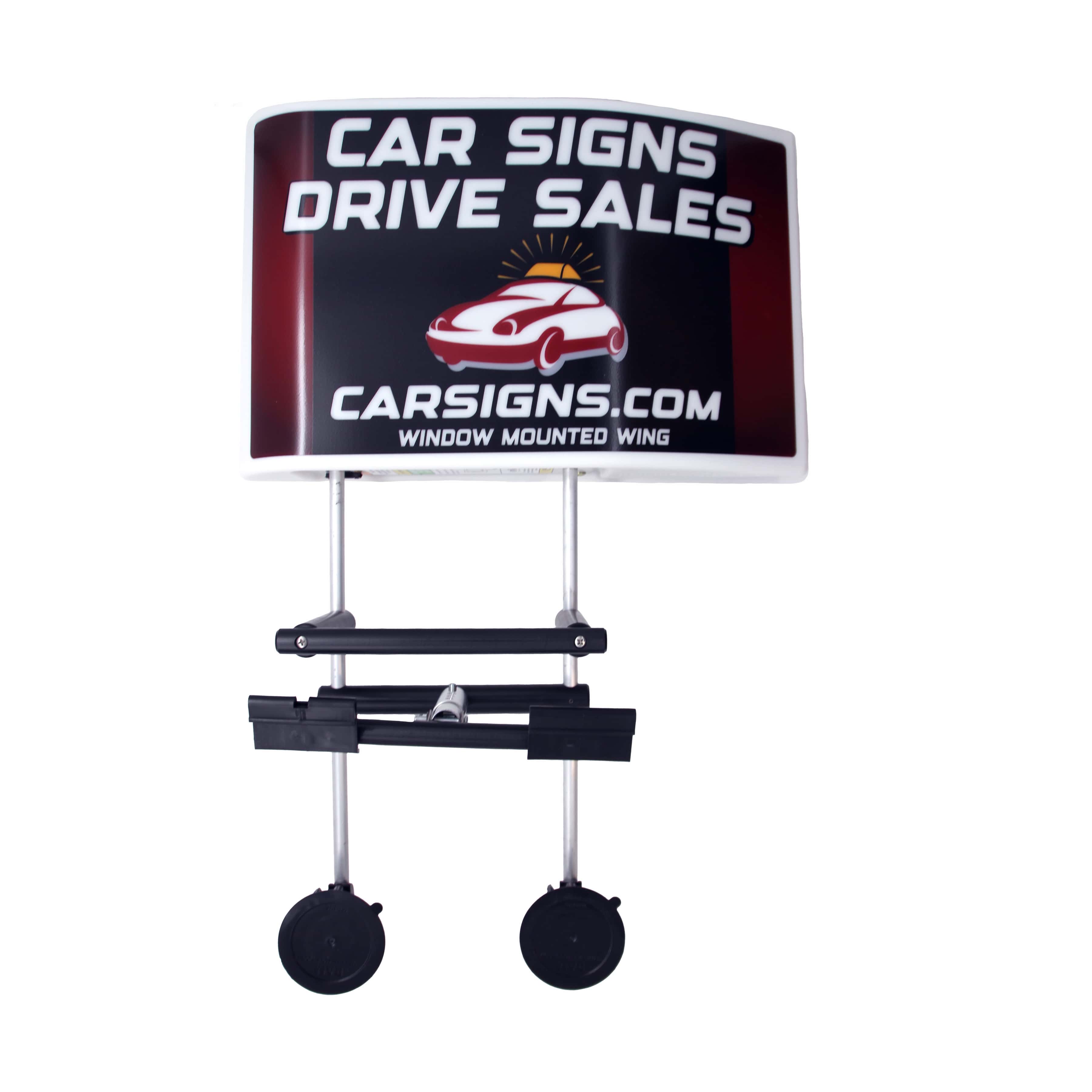
Removable signs must comply with the same regulations as permanent signs, including size, visibility, and placement. Businesses should ensure that their removable signs are easily detachable and do not leave residue or damage to the vehicle's surface.
What Are the Best Practices for Using Removable Car Signs Legally?
Best practices for using removable car signs include ensuring that they are securely attached, easily removable, and compliant with local regulations. Businesses should also regularly check their signage for wear and tear to maintain a professional appearance and avoid potential legal issues.


0 Comments
Leave a Comment